
Introduction: A New Era for Ophthalmology
Ophthalmology is entering a new phase defined by precision medicine, digital health, and integrated care pathways. In 2026, innovation is no longer limited to devices or surgical techniques alone – it lies in how technologies, therapies and data systems converge to deliver faster diagnosis, better outcomes and more personalised patient care. From artificial intelligence and gene therapy to dry eye management and myopia control, the field is evolving toward proactive, data-driven and globally accessible eye care.
1. Artificial Intelligence in Ophthalmic Diagnostics
Enhancing Early Detection and Clinical Efficiency
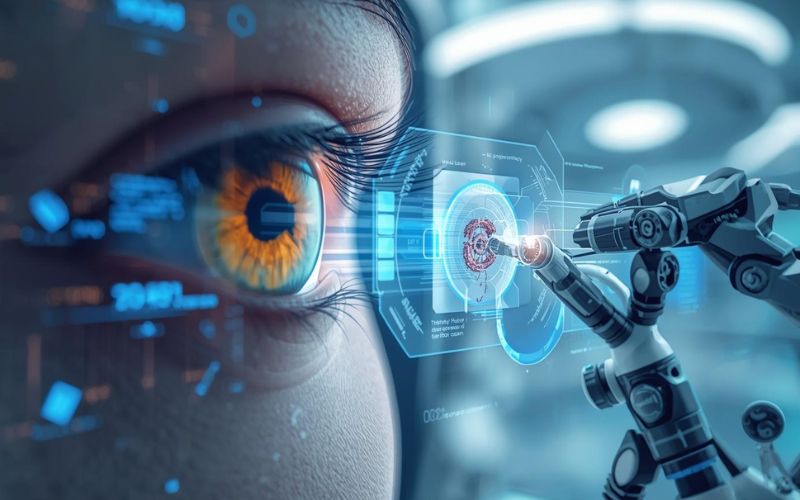
Artificial intelligence (AI) is transforming ophthalmology by enabling faster, more accurate analysis of retinal images, OCT scans, and fundus photography.
Key advantages include:
- Early disease detection for diabetic retinopathy, glaucoma, and AMD
- Automated screening programs for large populations
- Clinical decision support for risk stratification and treatment planning
- Improved workflow efficiency and reduced diagnostic time
Insight: AI is not replacing clinicians—it is augmenting expertise, especially in high-volume screening and data-intensive specialties.
2. Gene Therapy for Retinal Diseases
Advancing Precision Medicine in Eye Care
Gene therapy is redefining treatment for inherited retinal diseases by targeting the root genetic causes rather than managing symptoms.
Focus areas include:
- Retinitis Pigmentosa
- Leber Congenital Amaurosis
- Stargardt Disease
- Age-related Macular Degeneration
Impact: Gene therapy represents a shift toward long-term or even one-time treatments, marking a major milestone in personalized ophthalmic care.
3. Minimally Invasive Glaucoma Surgery (MIGS)
Safer and More Patient-Friendly Interventions
MIGS procedures continue to gain adoption due to their improved safety profile and faster recovery compared to traditional glaucoma surgery.
Benefits include:
- Reduced surgical trauma
- Lower complication rates
- Shorter recovery times
- Reduced dependence on eye drops
Trend: MIGS is reinforcing the shift toward individualized and less invasive glaucoma management strategies.
4. Advanced Retinal Imaging Technologies
Improving Diagnostic Accuracy and Monitoring
Retinal imaging continues to evolve, offering clearer and more detailed insights into ocular structures.
Key innovations:
- High-resolution OCT and OCT Angiography
- Wide-field retinal imaging
- Portable and home-based monitoring systems
Insight: The move toward remote and continuous monitoring is transforming chronic disease management in ophthalmology.
5. Dry Eye Disease as a Clinical Priority
From Symptom Management to Comprehensive Care
Dry eye disease is now recognized as a complex and clinically significant condition requiring targeted, personalized treatment.
Key developments:
- Advanced diagnostic tools for tear film and inflammation analysis
- Personalized treatment protocols
- Integration into surgical and routine care pathways
- Increased focus on digital eye strain and lifestyle factors
6. Myopia Management as Standard of Care
Preventing Long-Term Vision Complications
Myopia is no longer treated solely as a refractive error—it is now managed as a progressive condition with long-term risks.
Approaches include:
- Specialized optical lenses
- Orthokeratology
- Low-dose atropine therapy
- Combination treatment strategies
Insight: Myopia management is becoming a key pillar of preventive ophthalmology and pediatric care.
7. Myopia Management as Standard of Care
Improving Treatment Adherence
New drug delivery technologies aim to reduce reliance on frequent dosing and improve patient compliance.
Examples:
- Intravitreal implants with extended release
- Biodegradable drug reservoirs
- Long-acting injectable therapies
Impact: These innovations are particularly valuable in retina and glaucoma care, where adherence is critical.
8. Tele-Ophthalmology and Remote Monitoring
Expanding Access to Specialist Eye Care
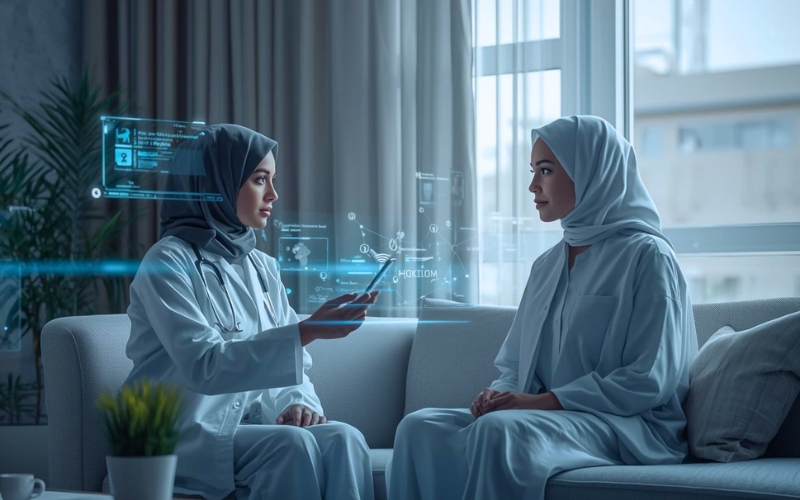
Tele-ophthalmology is improving accessibility through remote diagnostics and virtual consultations.
Applications include:
- Remote retinal screening programs
- Home monitoring for chronic diseases
- Portable diagnostic tools in community settings
- Virtual specialist consultations
Impact: This approach enhances early diagnosis and reduces barriers to care, especially in underserved regions.
9. The Rise of Oculomics
Linking Eye Health to Systemic Disease
Oculomics explores how retinal data can reveal insights into overall health.
Potential applications include detecting:
- Cardiovascular disease
- Diabetes
- Alzheimer’s disease
- Neurological disorders
Future Outlook: Ophthalmology may become a key player in systemic disease screening and preventive medicine.
Conclusion: The Future of Ophthalmology in 2026
Ophthalmology is being reshaped by a powerful combination of technology, data and patient-centered care. AI, gene therapy, advanced imaging and innovative treatment approaches are transforming how diseases are detected and managed. At the same time, growing focus on dry eye disease and myopia management reflects a shift toward long-term, preventive care strategies. Final Insight: The future of ophthalmology lies in connected, personalised and accessible care where innovation improves outcomes while expanding global access to vision health.