
Introduction: A New Era of Healthcare Delivery
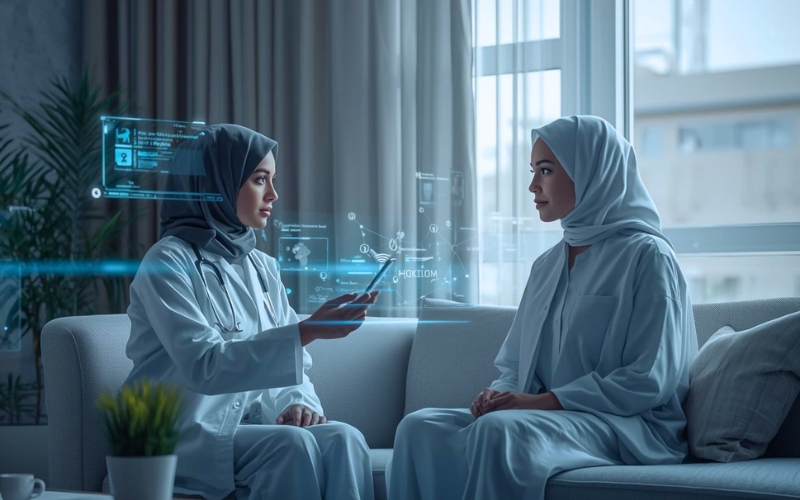
Healthcare is undergoing a profound transformation. In 2026, care is no longer limited to hospitals or traditional clinical environments, it is increasingly delivered directly in patients’ homes.
The domiciliary med-tech market has emerged as a strategic response to key global challenges, including ageing populations, rising chronic disease prevalence and healthcare workforce shortages. What was once considered basic home care is now evolving into a technology-driven, clinically integrated model. This shift is redefining patient experience while transforming how healthcare systems operate, scale and sustain themselves.
1. Market Drivers: Why Domiciliary Care Is Expanding
From System Pressure to Strategic Imperative
The rapid growth of domiciliary med-tech is driven by multiple structural factors:
- Ageing populations with complex long-term care needs
- Increasing prevalence of chronic diseases
- Hospital capacity constraints and workforce shortages
- Rising cost pressures across healthcare systems
- Policy shifts toward community and home-based care
Insight: Domiciliary care is no longer optional, it is becoming a core pillar of modern healthcare delivery.
2. Technology as the Enabler of Home-Based Care
Building a Decentralised Healthcare Infrastructure
Technology is the foundation of domiciliary healthcare, enabling clinical-grade care outside hospitals.
Key technologies include:
- Remote patient monitoring (RPM) systems
- Wearable and connected medical devices
- Telemedicine and virtual care platforms
- Portable diagnostic tools
- Integrated digital health ecosystems
Impact: The home is evolving into a connected clinical environment, supporting continuous and data-driven patient care.
3. Chronic Disease Management: The Primary Use Case
From Reactive to Continuous Care Models
Chronic conditions are the main driver of domiciliary care adoption.
Key focus areas include:
- Cardiovascular diseases
- Diabetes management
- Respiratory conditions
- Neurological disorders
Continuous monitoring and remote interventions allow patients to be managed effectively outside hospital settings.
Insight: Domiciliary med-tech enables a shift from episodic treatment to proactive, preventive care—improving outcomes while reducing system burden.
4. Economic and Healthcare System Impact
Driving Efficiency and Sustainability
Domiciliary care is not only a clinical innovation but also a strategic lever for healthcare system sustainability.
Key benefits include:
- Reduced hospital admissions and readmissions
- Shorter inpatient stays
- Lower infrastructure and operational costs
- More efficient resource allocation
Impact: Home-based care models are essential to maintaining healthcare system resilience in the long term.
5. Patient-Centric Care and Experience
Empowerment, Accessibility and Quality of Life
Domiciliary med-tech is reshaping the role of the patient in the care pathway.
Key advantages include:
- Receiving care in familiar and comfortable environments
- Increased patient autonomy and self-management
- Improved treatment adherence
- Reduced travel and disruption to daily life
6. Future Outlook: Toward Distributed Healthcare Systems
The Home as a Central Care Hub
The domiciliary med-tech market is accelerating the transition toward fully distributed healthcare systems.
Key trends include:
- Expansion of hospital-at-home programs
- Integration between hospitals, community care, and digital platforms
- Adoption of AI for predictive and personalized care
- Stronger collaboration between med-tech companies and policymakers
Future Outlook: The home is evolving from an extension of care to a central node within the healthcare ecosystem.
Conclusion: Domiciliary Med-Tech as a Strategic Healthcare Shift
The domiciliary med-tech market represents a fundamental evolution in healthcare delivery. By decentralising care and leveraging advanced technologies, it enables more accessible, efficient and patient-centred systems. As innovation accelerates, the boundary between hospital and home will continue to blur, replaced by a connected, continuous care model.
Final Insight: The future of healthcare lies in decentralisation, integration and patient empowerment, where care can be delivered anytime, anywhere.