
Introduction: The Rise of Portable Diagnostics in Modern Healthcare
The global healthcare landscape is shifting toward mobility, connectivity and personalisation — and portable medical diagnostic instruments are at the heart of this transformation. Once confined to laboratories and specialised hospital departments, diagnostic tools are now lightweight, connected and mobile, allowing clinicians to perform precise evaluations virtually anywhere.
From ophthalmology and cardiology to primary care, neurology and field medicine, these innovations are breaking traditional boundaries, making diagnostics faster, more accurate and accessible to all. As healthcare evolves, portability is no longer a luxury — it’s the new standard for efficiency, precision and patient-centred care.
1. The Evolution of Portable Diagnostics
From Centralised Labs to Decentralised Precision
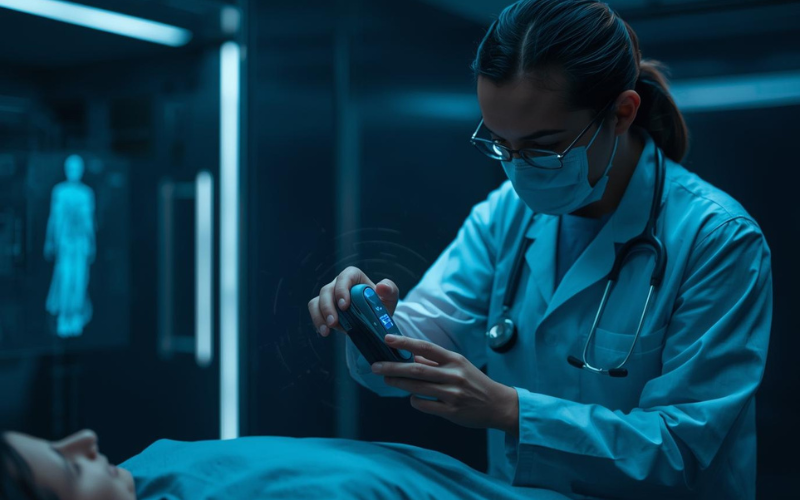
Traditionally, diagnostic tests required centralised laboratories, costly infrastructure and long turnaround times. With advances in micro-sensors, wireless data transmission and digital imaging, modern devices now bring lab-grade accuracy directly to the point of care.
Key innovations include:
- Portable Blood Analysers: Deliver rapid results for glucose, cholesterol and electrolyte testing.
- Mobile Imaging Tools: Handheld ultrasound and X-ray systems for immediate clinical use.
- Compact Ophthalmic Devices: Instruments for eye pressure, corneal thickness and visual field testing.
Result: This evolution empowers clinicians to provide faster, data-driven decisions and improves outcomes in both hospital and remote care settings.
2. The Benefits of Portable Diagnostic Instruments
Delivering Healthcare Beyond Boundaries
Portable diagnostics have redefined how and where care is delivered:
- Accessibility: Brings advanced testing to rural and underserved regions.
- Speed: Provides instant results for faster diagnosis and treatment.
- Cost Efficiency: Reduces the need for large laboratories and hospital admissions.
- Continuity of Care: Enables long-term monitoring for chronic conditions.
- Preventive Medicine: Encourages early detection and intervention on access.
Result: These advantages make portable diagnostic instruments essential for improving healthcare outcomes globally.
3. Applications of Portable Diagnostics Across Medical Fields
A. Ophthalmology – Portable Vision and Eye Health Technologies
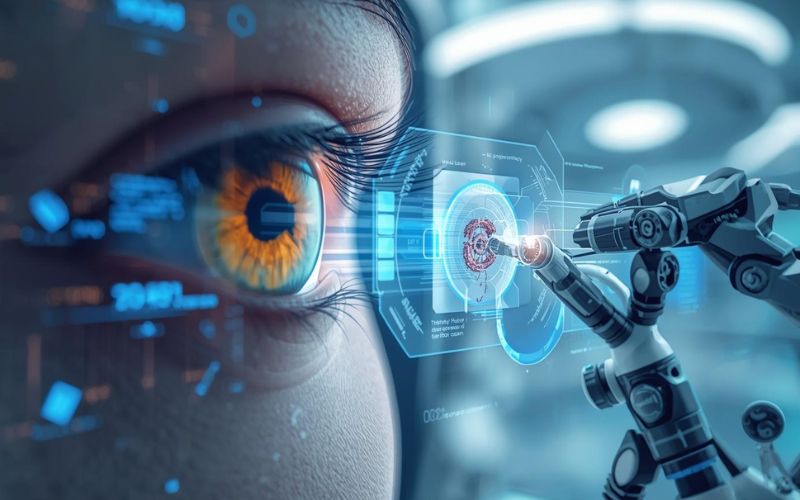
Ophthalmology is leading the advancement of portable diagnostics, driven by compact, connected devices that deliver precise ocular assessments anywhere — from hospitals and clinics to community outreach and telemedicine programs. These innovations are revolutionising how eye diseases are detected, monitored and managed worldwide.
Key Portable Tools and Their Applications:
- Handheld Fundus Cameras: Capture high-resolution retinal images for diabetic retinopathy and macular evaluation, ideal for screening in remote or community settings.
- Portable Auto-Refractors: Enable fast, accurate refractive measurements essential for large-scale vision assessments and mobile clinics.
- Compact OCT Systems: Provide detailed retinal imaging to monitor conditions such as glaucoma, AMD and diabetic macular edema outside traditional hospital environments.
- Portable Tonometers: Measure intra-ocular pressure (IOP) with precision, improving glaucoma screening and long-term disease management.
- Pachymeters: Assess corneal thickness, supporting glaucoma risk evaluation, refractive surgery planning and keratoconus detection.
- Virtual Reality (VR) Visual Field Testing: Simulates perimetry tests in an immersive environment, enabling efficient glaucoma monitoring without bulky equipment.
- VR-Based Pupillometry: Evaluates pupil responses to light stimuli, aiding in both ocular and neurological diagnostics.
- Ocular Motility Testing with VR: Analyzes eye movement and coordination, allowing early identification of strabismus or neurological dysfunctions.
- Dark Adaptation Testing via VR: Detects early signs of macular degeneration and other retinal pathologies through non-invasive, portable analysis.
- Tele-Ophthalmology Integration: Secure data transfer allows retinal images and diagnostic results to be reviewed remotely by specialists, expanding access to expert care.
Impact: Portable ophthalmic devices are redefining accessibility in eye care expanding screening programs, enhancing early disease detection and reducing preventable blindness in underserved populations. These innovations empower clinicians to bring advanced diagnostics directly to patients, bridging the gap between technology and equitable vision care.
B. Cardiology – Mobile Heart Health Monitoring
Cardiology has been transformed by the rise of wearable and handheld diagnostic tools that continuously track and analyse heart health.
Applications include:
- Portable ECG Devices: Detect arrhythmias and cardiac irregularities in real time.
- Handheld Echocardiography: Enables bedside imaging for rapid clinical assessment.
- Wearable Monitors: Track heart rate, rhythm and oxygen saturation for continuous remote care.
- Data Connectivity: Integrates with hospital systems, enabling cardiologists to interpret results remotely.
Impact: Portable cardiac diagnostics are improving early detection, preventing complications and empowering patients to manage their heart health proactively.
C. Primary Care and Infectious Disease Screening
Portable diagnostic tools have become indispensable for primary care physicians and public health teams, enabling immediate and reliable testing.
Common examples include:
- Rapid Blood Tests: On-site analysis for glucose, lipids and hemoglobin levels.
- Portable PCR and Antigen Testing: Quick identification of infectious diseases such as influenza or COVID-19.
- Digital Stethoscopes and Vital Sign Monitors: Allow real-time remote assessments and integration with telemedicine platforms.
Impact: These tools enhance point-of-care decision-making, improving patient safety and reducing healthcare delays.
D. Neurology and Rehabilitation
Portable devices are also enhancing neurological diagnostics and rehabilitation:
- Wearable EEG Systems: Enable continuous brain activity monitoring.
- Portable Motion Sensors: Track recovery progress and movement accuracy in neuro-rehabilitation.
- VR-Based Assessments: Combine cognitive testing and therapy in immersive environments.
Impact: These tools make neurological diagnostics more accessible, allowing for early detection, personalised rehabilitation, and home-based care.
4. Connectivity and Integration: Smart Diagnostics for a Connected Future
Today’s portable devices go beyond physical mobility; they’re part of an intelligent, connected ecosystem.
- Cloud-Based Data Storage: Patient data from portable devices is securely stored and shared with clinicians.
- AI-Enhanced Analysis: Algorithms detect abnormalities and provide diagnostic support.
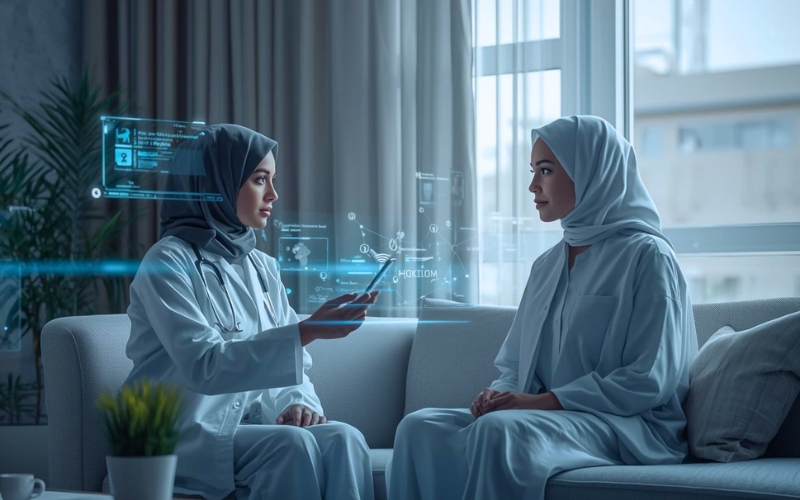
- Telemedicine Integration: Enables real-time consultations supported by live diagnostic data.
- Cross-Specialty Collaboration: Shared data between departments improves coordinated care.
Vision: This fusion of portability and connectivity marks a shift toward smart diagnostics, where every device contributes to a continuous, data-driven healthcare network.
5. Challenges of Portable Diagnostics
While promising, portable diagnostic technologies must overcome several challenges:
- Regulatory Compliance: Strict safety and accuracy requirements.
- Calibration and Maintenance: Ensuring consistent results across environments.
- Data Privacy: Secure handling of sensitive health information.
- Adoption and Training: Clinicians must be trained to use and interpret portable diagnostic data effectively.
Solution: Despite these hurdles, innovation continues to drive adoption supported by increasing demand for flexible, digital healthcare solutions.
6. The Future of Portable Diagnostics
The future of portable diagnostics lies at the intersection of AI, IoT and personalised medicine:
- AI-Driven Diagnostic Support: Automated interpretation of images and signals.
- Lab-on-a-Chip Technology: Advanced molecular testing in handheld formats.
- Sustainable Design: Devices optimized for durability and reduced waste.
- VR and AR Integration: Expanding eye and neurological testing capabilities.
- Global Telehealth Connectivity: Seamless cross-border access to specialist expertise.
Outlook: These technologies are transforming portable diagnostics from simple tools into intelligent, predictive medical ecosystems.
Conclusion: The Future of Accessible, Data-Driven Diagnostics
Portable medical diagnostic instruments are redefining how and where healthcare happens. From ophthalmic devices that measure intraocular pressure and map the retina to wearable cardiac monitors and VR-based neurological tests, portability enables a new era of precision and inclusivity in medicine.
As healthcare becomes increasingly digital, connected and patient-focused, portable diagnostics stand as a symbol of efficiency, equality and innovation.